Currently On View
Sam Branden
SLALOM
Through October 8 @ 79 Walker Street
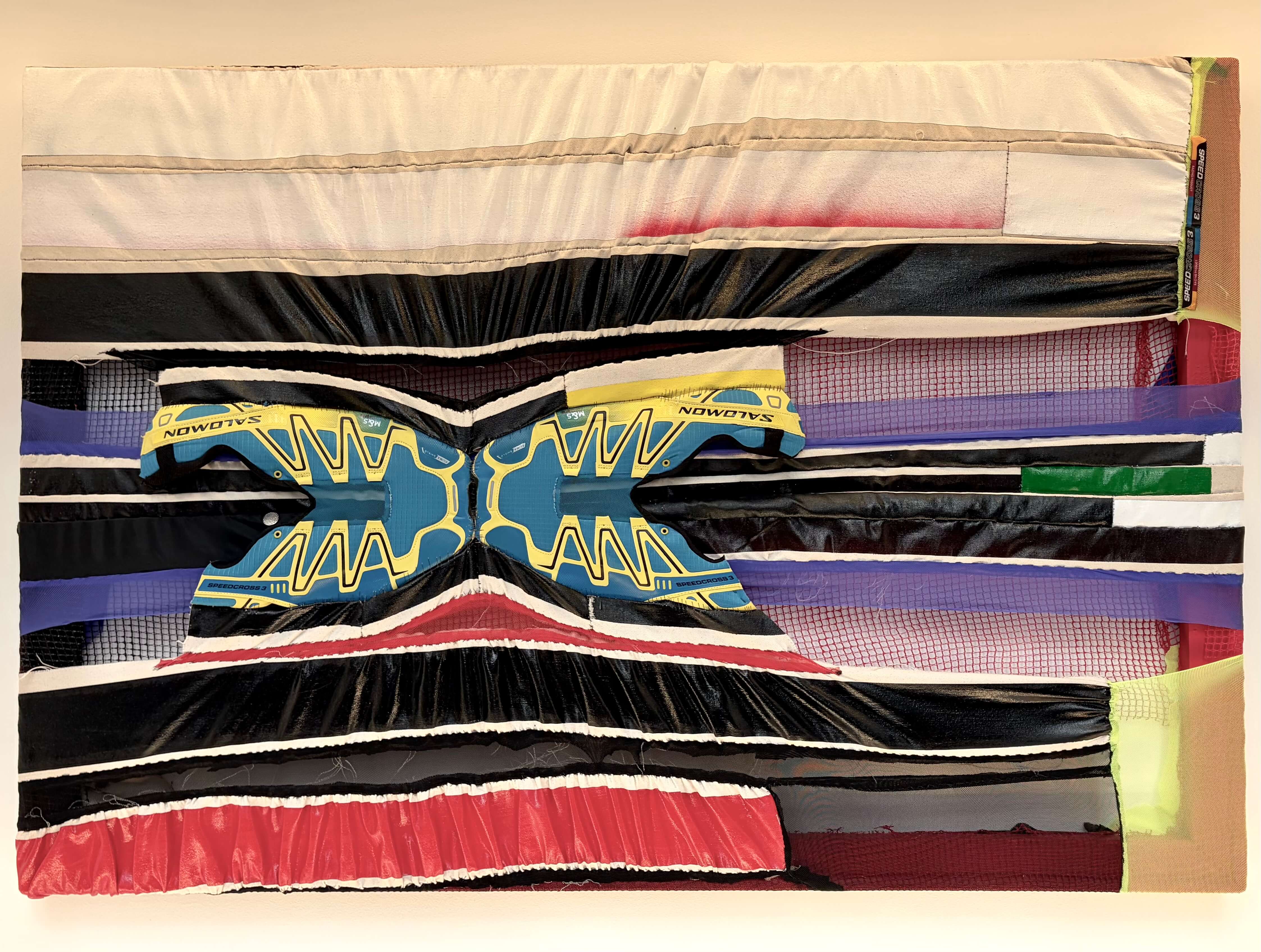
NYC MOCA is pleased to present SLALOM, a new work by Brooklyn-based artist Sam Branden. Constructed from hand-sewn mesh spandex, cotton canvas, construction mesh, painted armature, and a pair of Salomon Speedcross 3 sneakers, the work brings together the visual languages of sportswear, the city, and abstraction. At its center, the sneakers appear almost diagrammatic, their mirrored forms embedded within a field of stretched and layered materials. Bands of color, exposed mesh, and intersecting seams move across the surface like streets, subway lines, or topographical markings, while the tension of the spandex introduces a sense of movement and expansion.
The title SLALOM evokes a course defined by rapid shifts in direction, a fitting reference for a work concerned with movement, navigation, and collision. Branden’s practice begins with fleeting visual encounters—unexpected color combinations, fragments of clothing, signage, and other urban detritus—which are absorbed and reconfigured through a methodically physical process of cutting, stretching, painting, and sewing. His use of athletic materials and aesthetics also draws from his upbringing in Northeast Ohio, where his mother coached youth soccer while operating an upholstery studio from the family basement. In SLALOM, these histories converge with the sensory density of contemporary New York: synthetic and organic forms, utility and ornament, rigidity and elasticity converge with visible seams.
Sam Branden (b. 1991, Cleveland, OH) received his BFA from the Columbus College of Art & Design in 2014. Solo exhibitions include Stowaway Gallery, Los Angeles; Beverly’s, New York, NY; and the Art Academy of Cincinnati, Cincinnati, OH. Group shows include darkZone, New Jersey; PRP Agency, Dallas, TX; Pangeé, Montréal, QC; and Bible Gallery, New York, NY; among others. Branden was recently included in “Who’s Who?” New York City edition (sponsored by Puma and Newco Studio, 2023), a hard-backed publication highlighting 75 notable downtown creatives. Branden lives and works in Brooklyn, NY.
Inquire to AcquireFORMER WINDOW EXHIBITIONS
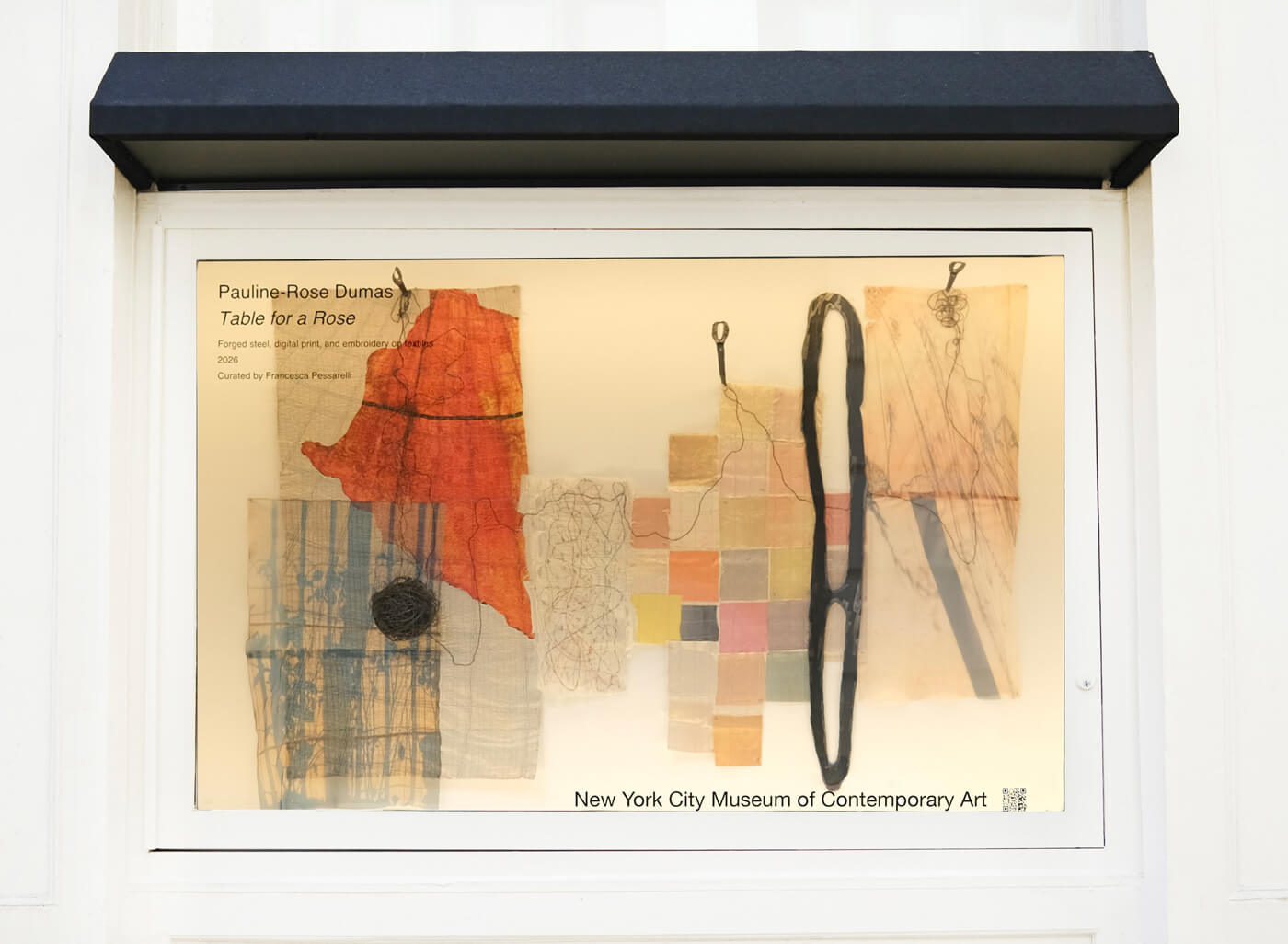
Table for a Rose
Pauline-Rose Dumas
79 Walker Street // August 2026
NYC MOCA is pleased to present Table for a Rose, a work by Paris-based artist Pauline-Rose Dumas. Created as the final sculpture in advance of her solo exhibition A Rose is a Rose at Hesse Flatow, Table for a Rose functions as both a summation and a preview. The work takes its title from the artist’s studio table, where fragments, dye tests, and material samples for the upcoming exhibition had accumulated alongside remnants from earlier works, including those from her solo presentation at Anne-Laure Buffard Gallery in Paris. In gathering these scraps into a single installation, Dumas transforms the studio table into both an object and a site of potential narrative.
The title also recalls the artist’s own name, Pauline-Rose, while echoing Gertrude Stein’s use of repetition in “Sacred Emily”, where language accrues meaning through return, variation, and insistence. Here, repeated forms, suspended lines, and gridded color tests—resembling both textile swatches and Post-it notes—suggest a living work that oscillates between process and completion. Like much of Dumas’s practice, Table for a Rose brings together forging, drawing, photography, and textile processes through a shared language of line, while its conceptual and material engagement with sewing echoes Tribeca’s history of textile manufacturing. Ultimately, Table for a Rose offers a portrait of the studio as an organic and evolving space, where fragments of works continue to accumulate and reassemble, living on in one another like DNA.
Nights
Paul Ferney
79 Walker Street // June 2026
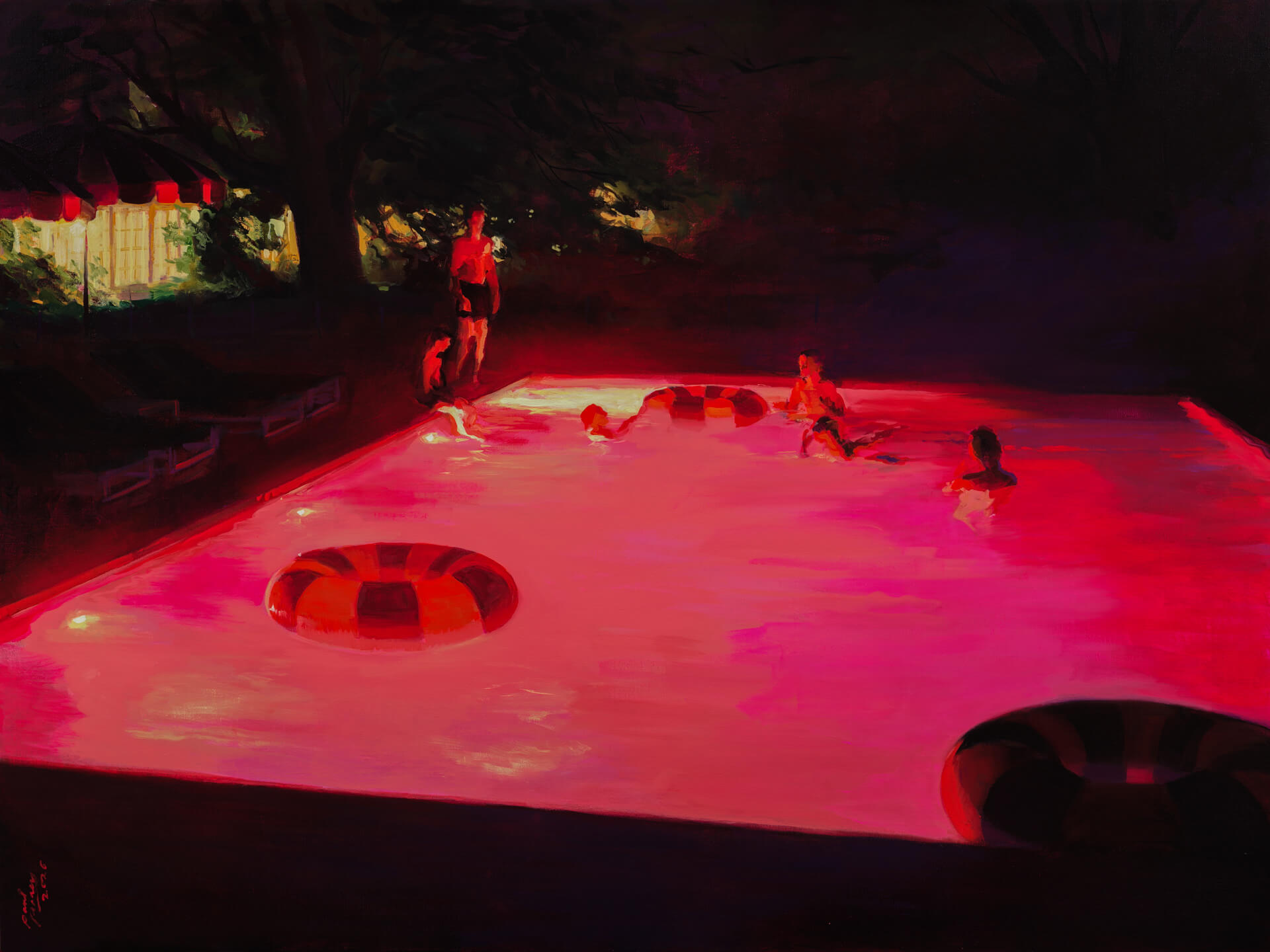
Nights by Paul Ferney (b. Utah, 1976) continues the artist’s long exploration of how light and time shape human experience. In the work, swimming and the swimming pool become metaphors for the shifting nature of memory, atmosphere, and perception. Under full sunlight, every movement is revealed with clarity and permanence—time appears to slow, as though a scene is being fully recorded. At night, however, the same environment becomes softened and ambiguous. Time stretches, identity becomes fluid, and the pool transforms into a kind of portal.
This painting continues Ferney’s ongoing exploration of time and memory through the visual language of swimming pools, water, and light. The works attempt to preserve fleeting moments of joy, connection, and escape—those suspended experiences when the glow of the pool becomes transporting and life momentarily feels complete.
Ferney is a New York-based visual artist whose work has examined memory and place for more than 25 years. His paintings employ distortion and simplification through rich color, gestural brushwork, and layered texture, reflecting both the instability of memory and the changing natural and cultural landscape. He received a Bachelor of Fine Arts degree from Utah State University and has exhibited in New York, California, and Texas. His work is included in numerous private collections across the United States.
“It is often the moments between work, routine, and obligation that most deeply define how life is lived. A night swim offers a brief suspension from all of it—a chance to push off into the water and take flight.” —Paul Ferney
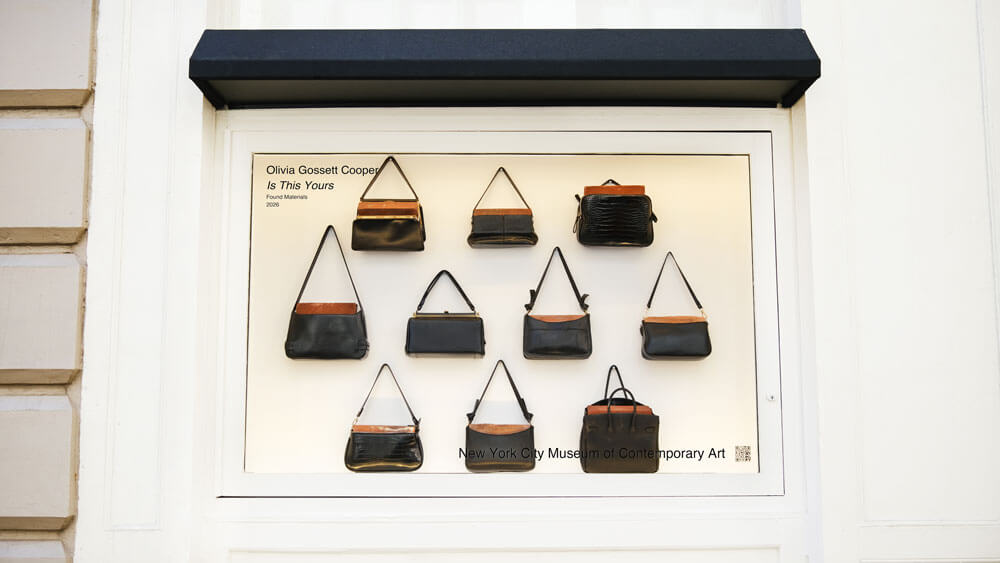
Is This Yours
Olivia Gossett Cooper
Found Materials // 2026
Is This Yours by Olivia Gossett Cooper (b. 1988) presents ten black shoulder bags, all similarly sized, each holding a brick that fits precisely inside it. The bags’ proportions align so closely with the bricks that they seem destined to cradle the weight.
The installation behind a glass window offers a playful yet thoughtful reflection on the responsibilities we carry each day and the temptation of rebellion. The nuanced differences between the bags mirror our own diverse characters and experiences. As the bags form a pattern within the confines of the window frame, serendipitous relationships emerge between neighboring elements. The grid-like arrangement follows Cooper’s broader practice of repeated, imperfect forms as a path to new meaning and discovery. The heaviness of the bricks placed behind fragile glass introduces a tension between containment and rupture. Passersby are asked to consider not only the weight they carry, but also the impulse to act upon it.
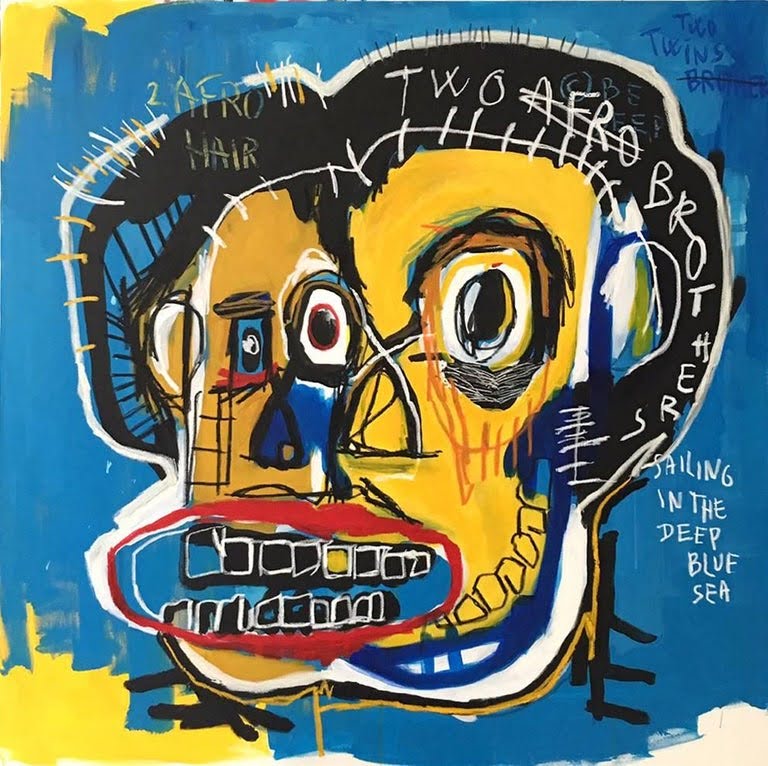
Jean-Michel Basquiat - The Crown Returns
April 4 – August 10, 2026
A sweeping retrospective of Basquiat’s charged visual language, uniting rare works from international collections for the first time in over a decade. Through large-scale canvases, street-level ephemera, and a full-room soundscape of sampled hip-hop and jazz, The Crown Returns situates Basquiat as both poet and prophet of post-industrial New York.
Curated by: Rina Patel

Keith Haring - Radiant Lines: Public Energy, Private Worlds
September 12, 2025 – January 18, 2026
This exhibition re-examines Haring’s graphic vocabulary through large mural reconstructions, subway-drawing archives, and immersive neon installations. Radiant Lines positions Haring’s activism and visual rhythm as precursors to today’s digital street culture, bridging the dance floor, the billboard, and the screen.
Curated by: Elena Marković
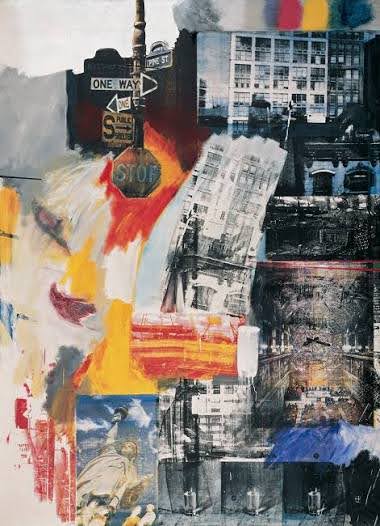
Robert Rauschenberg - Combines Reconsidered
March 7 – July 19, 2026
A focused re-installation of Rauschenberg’s seminal Combines alongside later technological experiments in print and light. The show draws parallels between mid-century assemblage and contemporary remix culture, revealing the restless curiosity that blurred art’s boundaries long before the digital era.
Curated by: Glenn Patterson
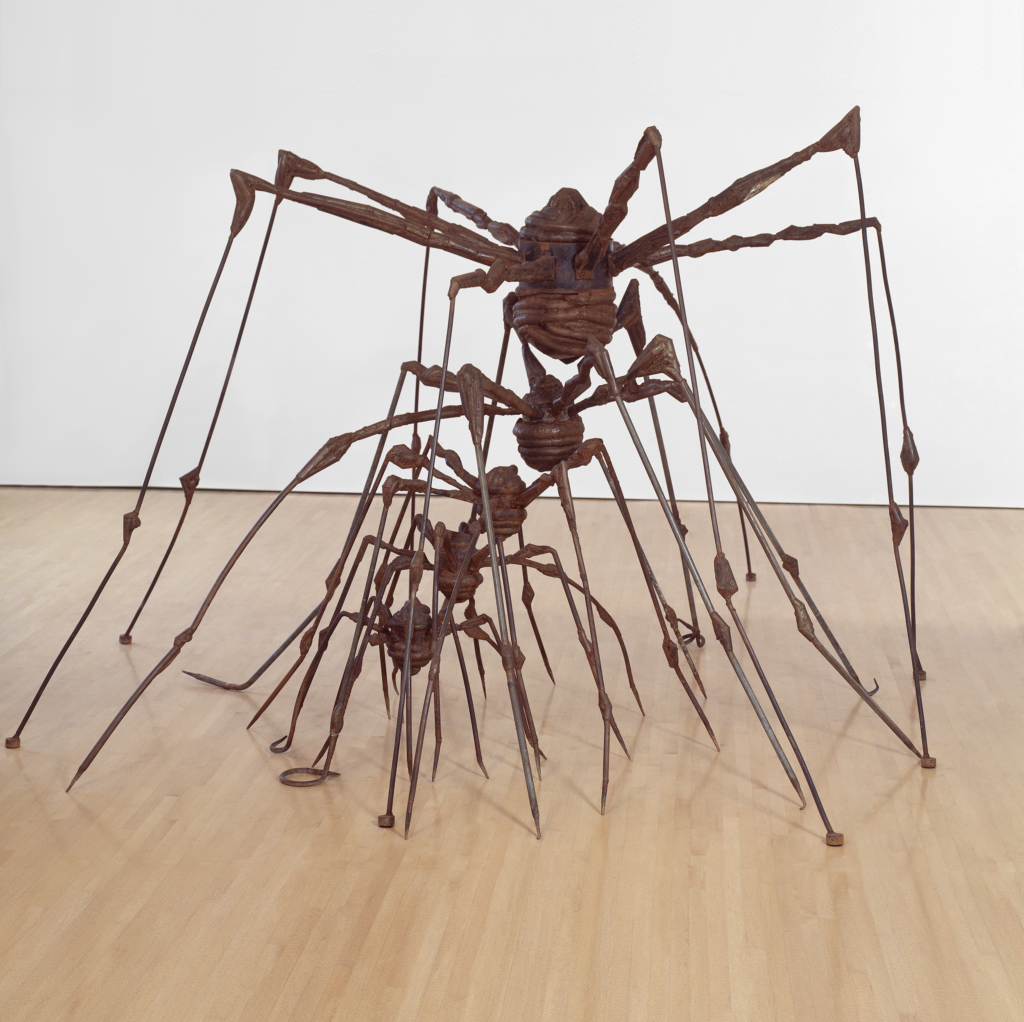
Louise Bourgeois - The Architecture of Memory
October 9, 2026 – February 14, 2027
Spanning sculpture, textiles, and drawing, this exhibition transforms the gallery into an intimate psychological architecture. Towering spider forms, stitched fabric cells, and diary fragments invite viewers into Bourgeois’s lifelong dialogue between protection and exposure, mother and child, home and body.
Curated by: Sofia Martens
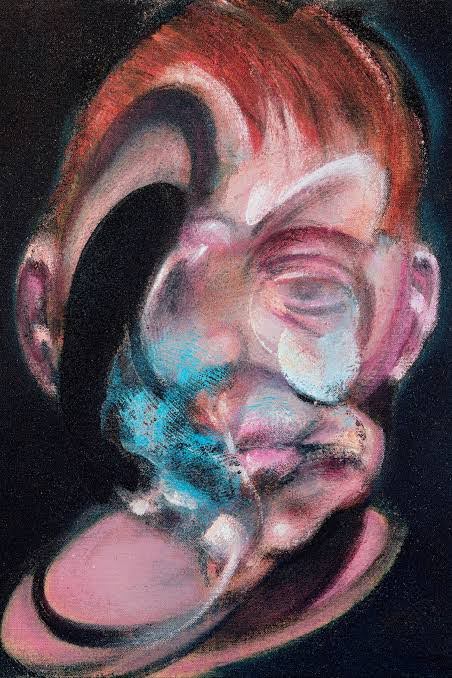
Francis Bacon - The Body Unfolded
April 2 – August 22, 2027
Bacon’s visceral portraits return in a major thematic survey examining distortion as empathy. New conservation imaging reveals the painter’s process, scratched, layered, and brutally human, while a digital installation allows visitors to step inside the brushstroke, confronting the raw intensity of being seen.
Curated by: Damian Rees
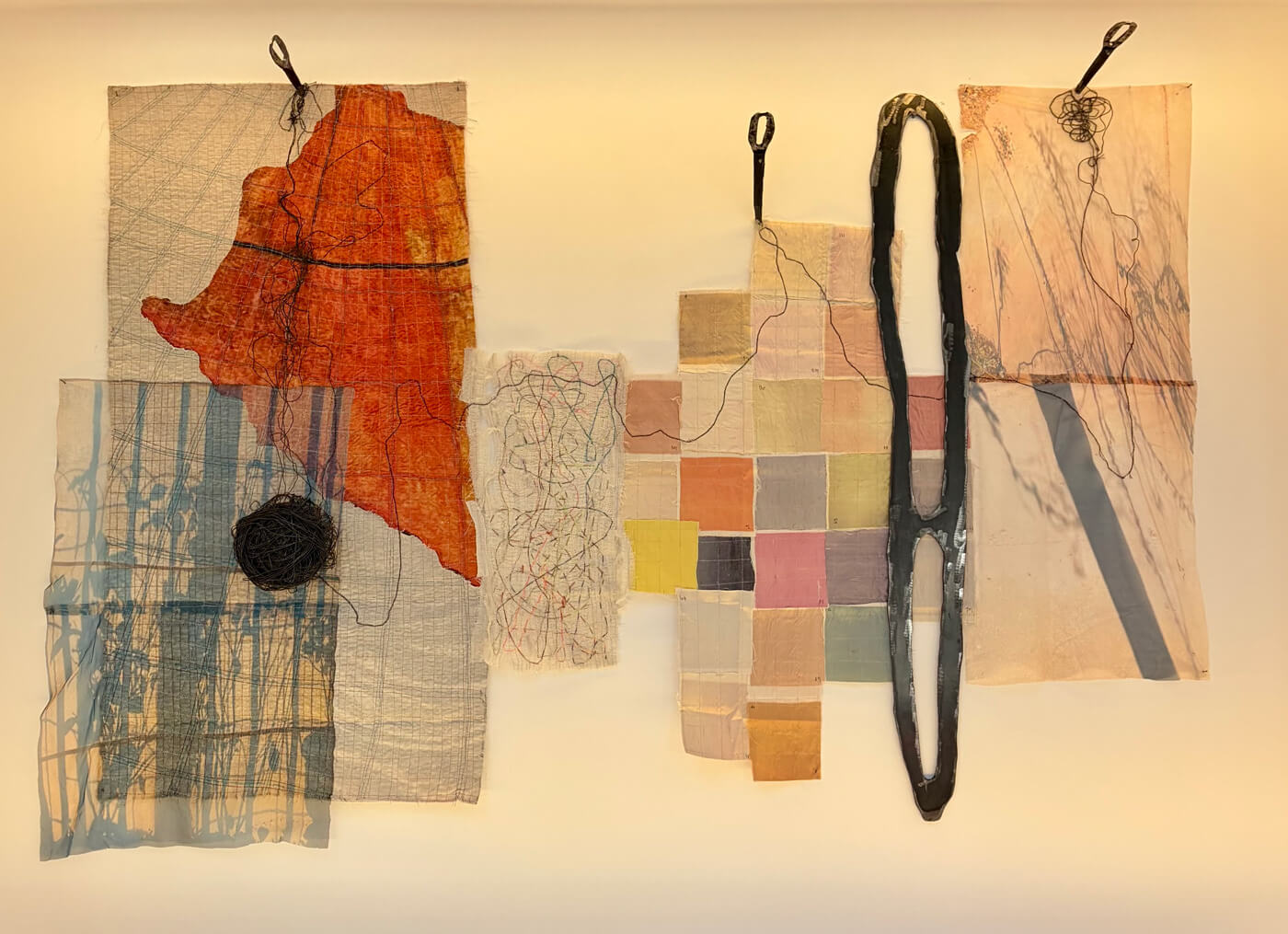
Pauline-Rose Dumas - Table for a Rose
August 2026
Created as the final sculpture in advance of her solo exhibition A Rose is a Rose at Hesse Flatow, Table for a Rose functions as both a summation and a preview. The work takes its title from the artist’s studio table, where fragments, dye tests, and material samples for the upcoming exhibition had accumulated alongside remnants from earlier works, including those from her solo presentation at Anne-Laure Buffard Gallery in Paris.
Paul Ferney - Nights
June 2026
Ferney explores how light and time shape human experience. In this work, swimming and the swimming pool become metaphors for memory, atmosphere, and perception—the tension between clarity and ambiguity, the external and internal self, and the public versus private experience. The painting preserves fleeting moments of joy, connection, and escape, when the glow of the pool becomes transporting and life momentarily feels complete.
Olivia Gossett Cooper - Is This Yours
2026
Ten black shoulder bags, each fitted around a single brick, stage a tension between burden and rebellion. Repetition and subtle variation create an ordered grid where relationships emerge and meaning shifts with each viewing.
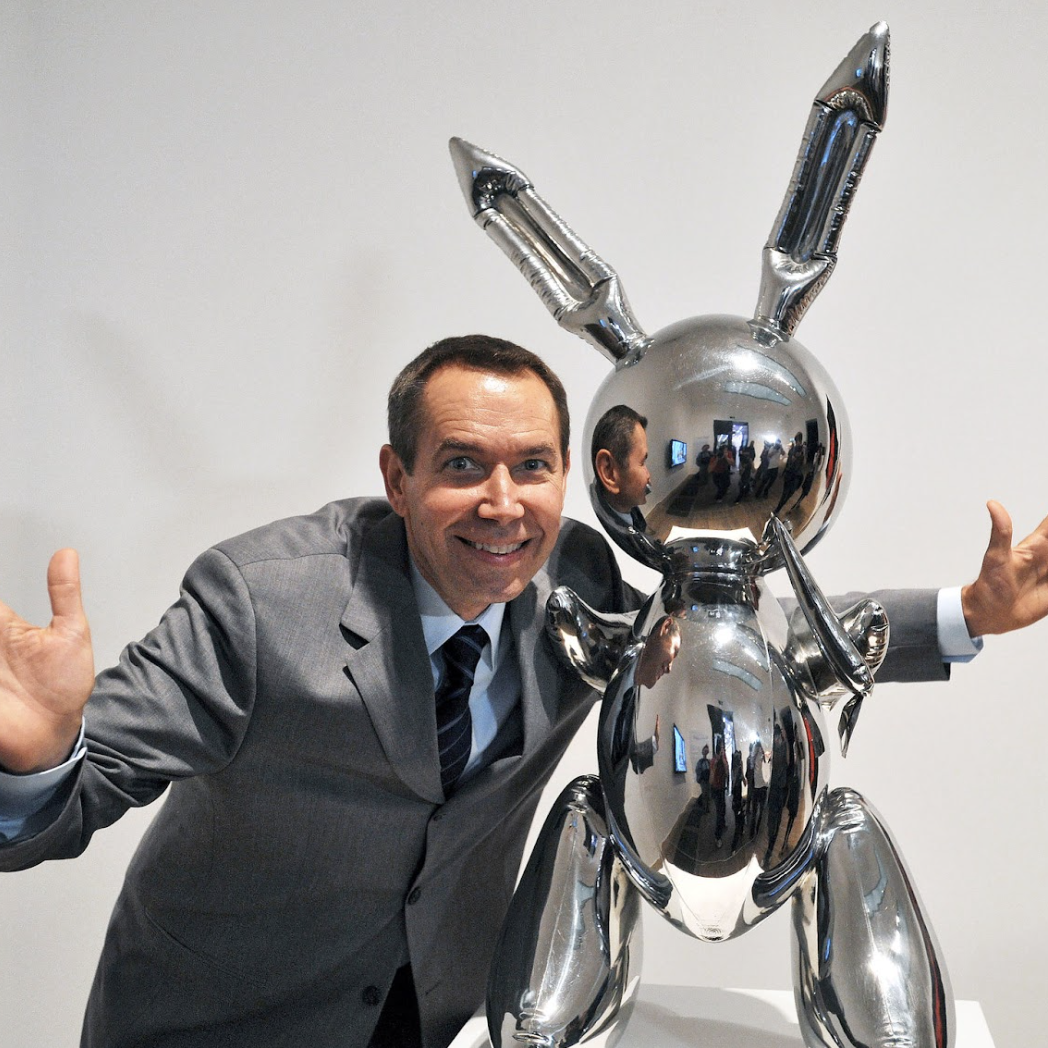
Jeff Koons - Mirror of Desire
Jan 10 – May 28 2015
A survey of Koons’s mirrored balloon forms and stainless-steel icons examining the theology of consumerism. The catalog essay claims, “If God exists in commerce, Koons is His most profitable prophet.”
Curated by: Melissa Corcoran
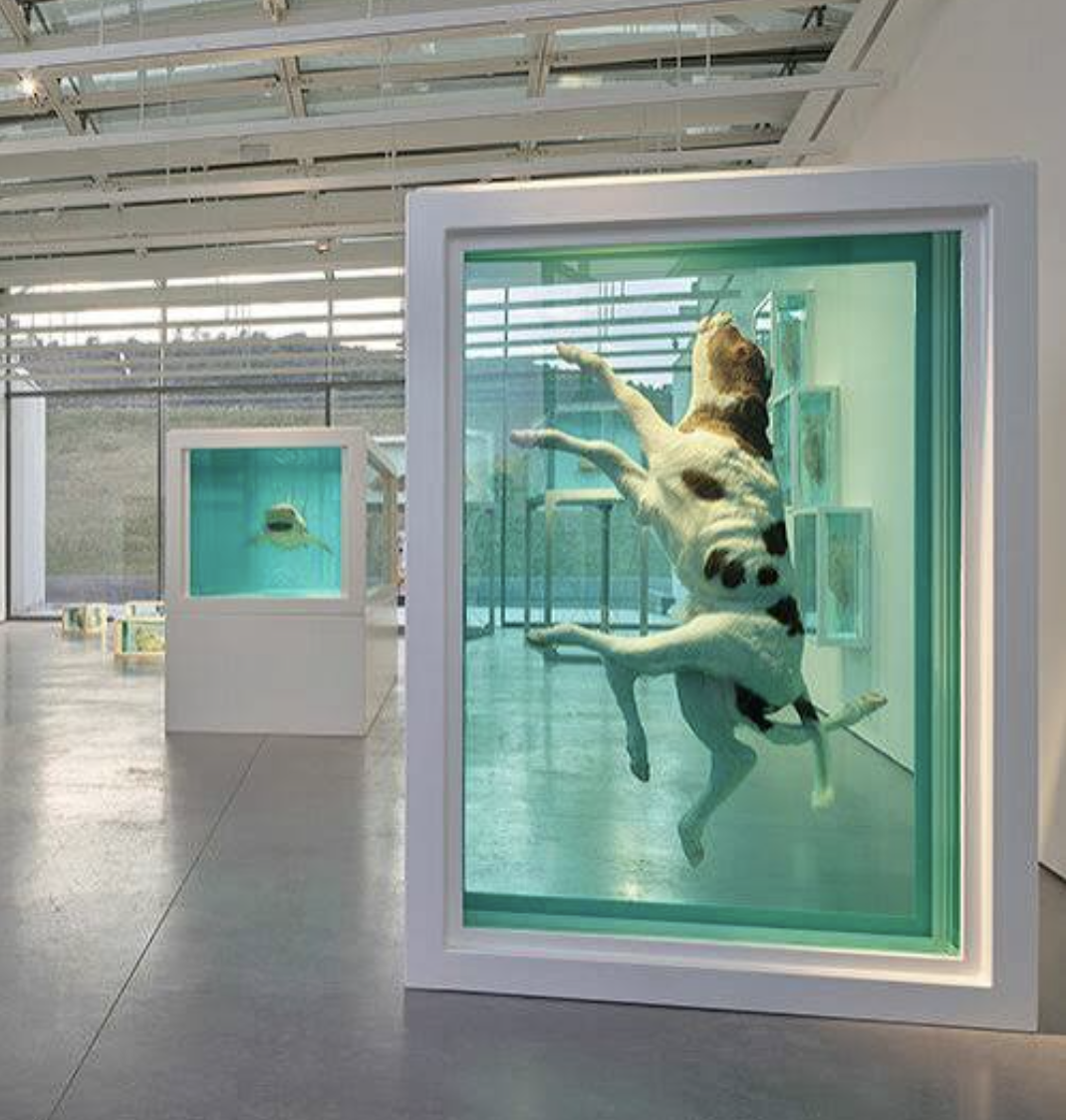
Damien Hirst - The Fragile Eternal
Oct 2 2015 – Feb 7 2016
Hirst’s formaldehyde relics, butterfly wings, and gold-leaf reliquaries revisit the tension between art, faith, and finance. The exhibition closes with a rotting flower inside a diamond coffin, capitalism’s memento mori.
Curated by: Alastair Vane
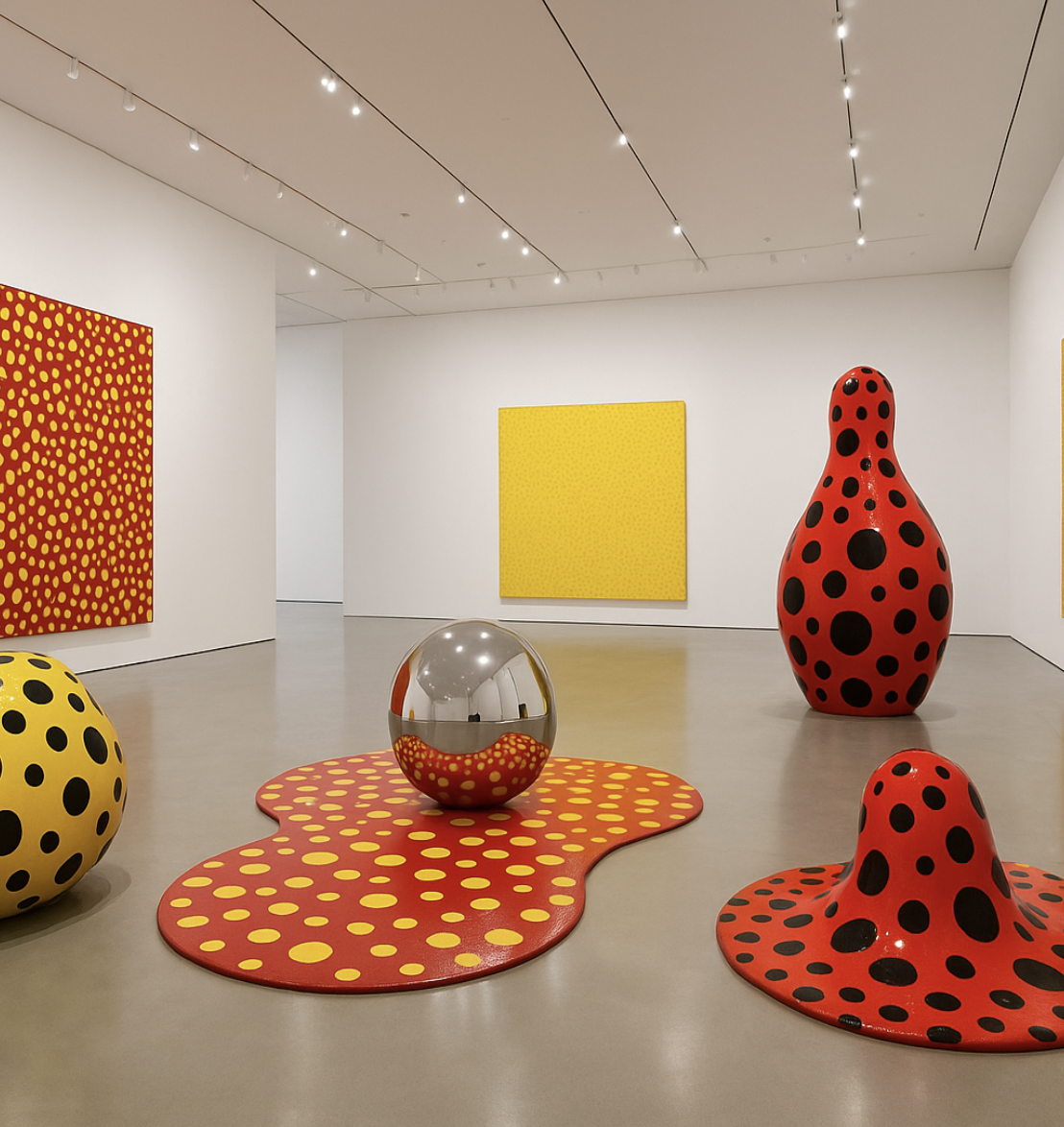
Yayoi Kusama - Infinity and Oblivion
Mar 11 – Jul 31 2016
Mirrored environments and polka-dotted cosmoses merge mania and serenity. A biometric room synchronizes light pulses with each visitor’s heartbeat, creating a living network of infinity.
Curated by: Koji Watanabe

Marina Abramović - The Durations of Now
Aug 19 – Dec 4 2016
Visitors enter timed chambers, some silent, others filled with slowed projections of the artist’s body in motion. The final piece, The Mirror Room, asks guests to maintain eye contact with a stranger for 30 minutes. The waiting list lasted longer than the performance itself.
Curated by: Elena Marković
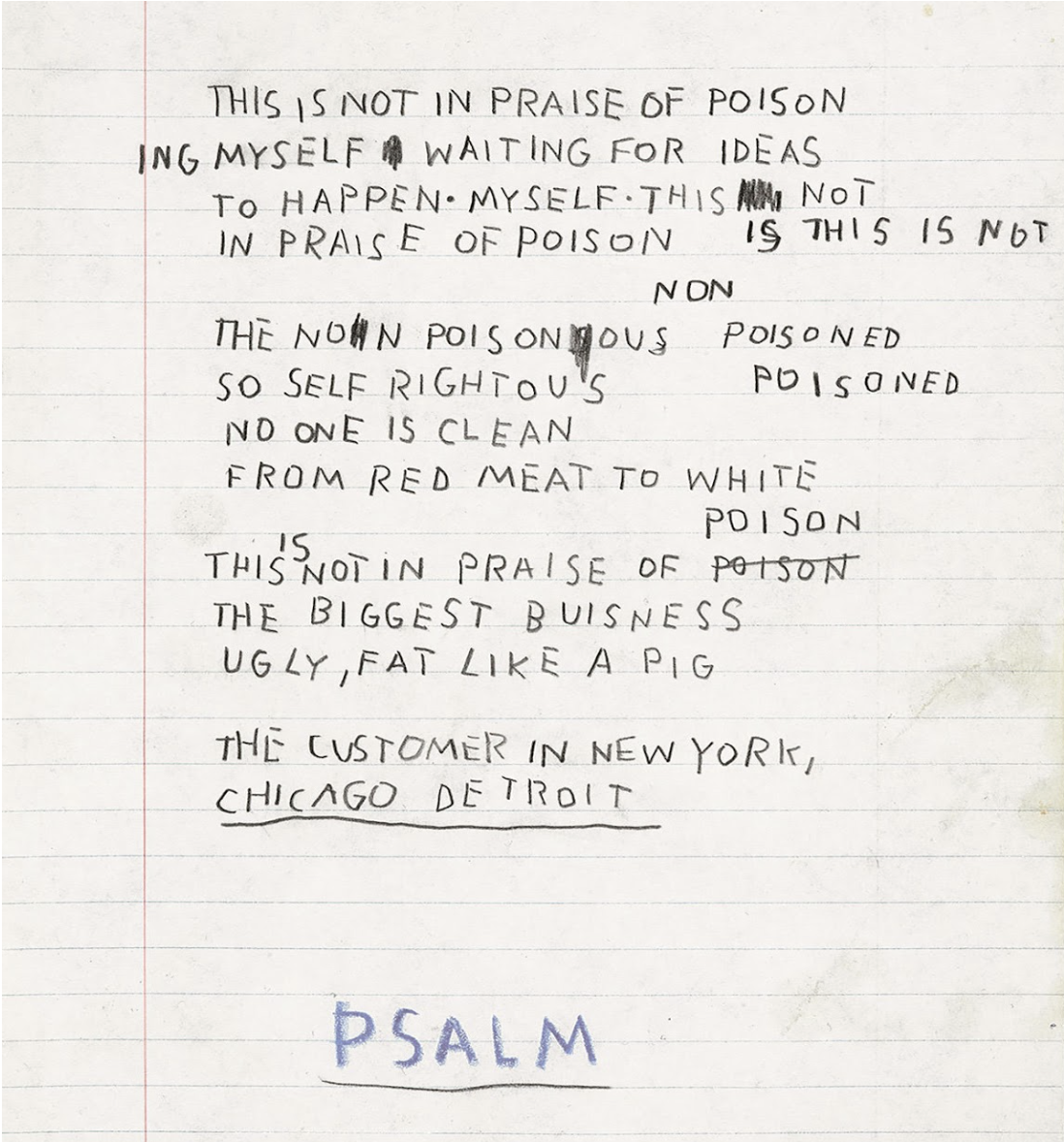
Jean-Michel Basquiat - Samo to Crown
Feb 24 – Jun 25 2017
Graffiti notebooks, paint-splattered sweatshirts, and large-scale canvases celebrate the speed and symbolism of Basquiat’s language. The audio tour features readings of his poetry over sampled bebop loops.
Curated by: Rina Patel
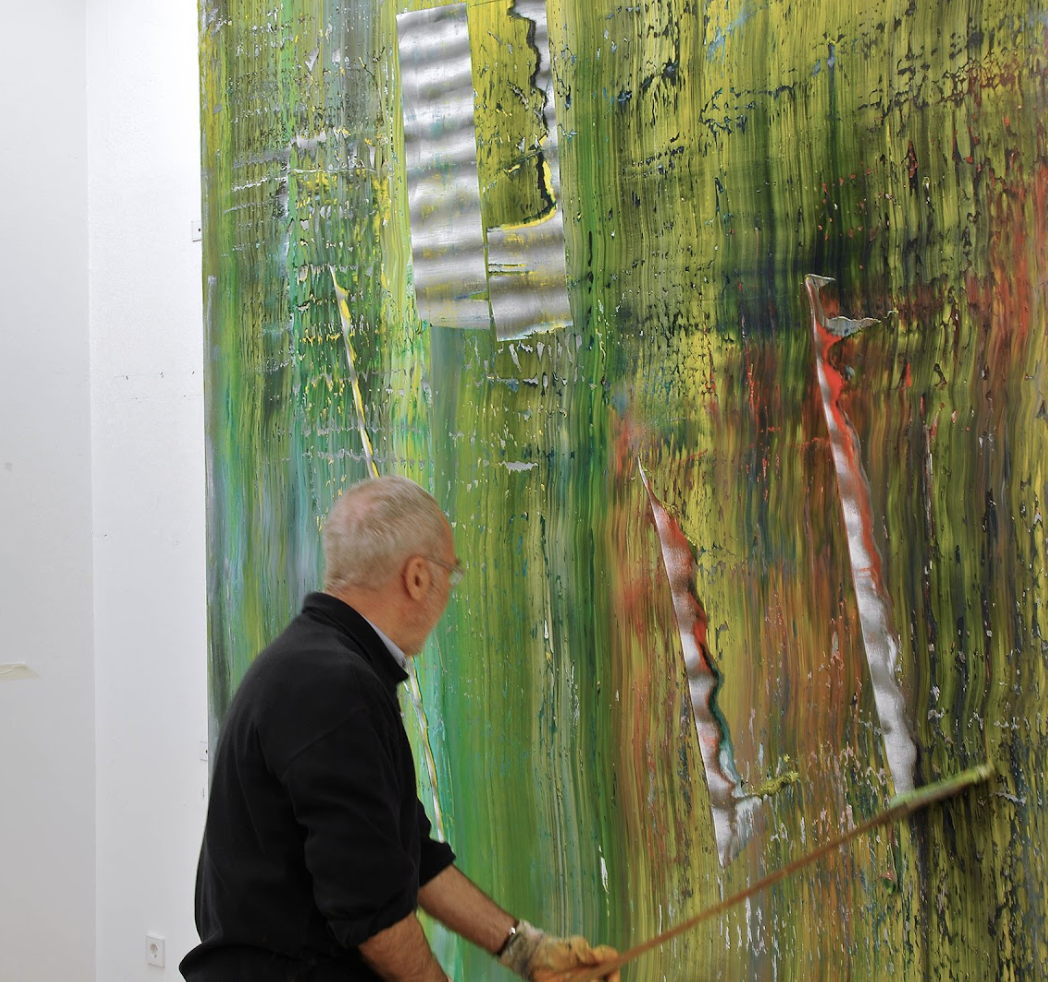
Gerhard Richter - Uncertain Vision
Sep 9 2017 – Jan 14 2018
Richter’s photo-paintings and abstract mirrors reframe perception as an act of faith. “Every image,” Richter said, “is an alibi for not seeing clearly.”
Curated by: Stefan Adler
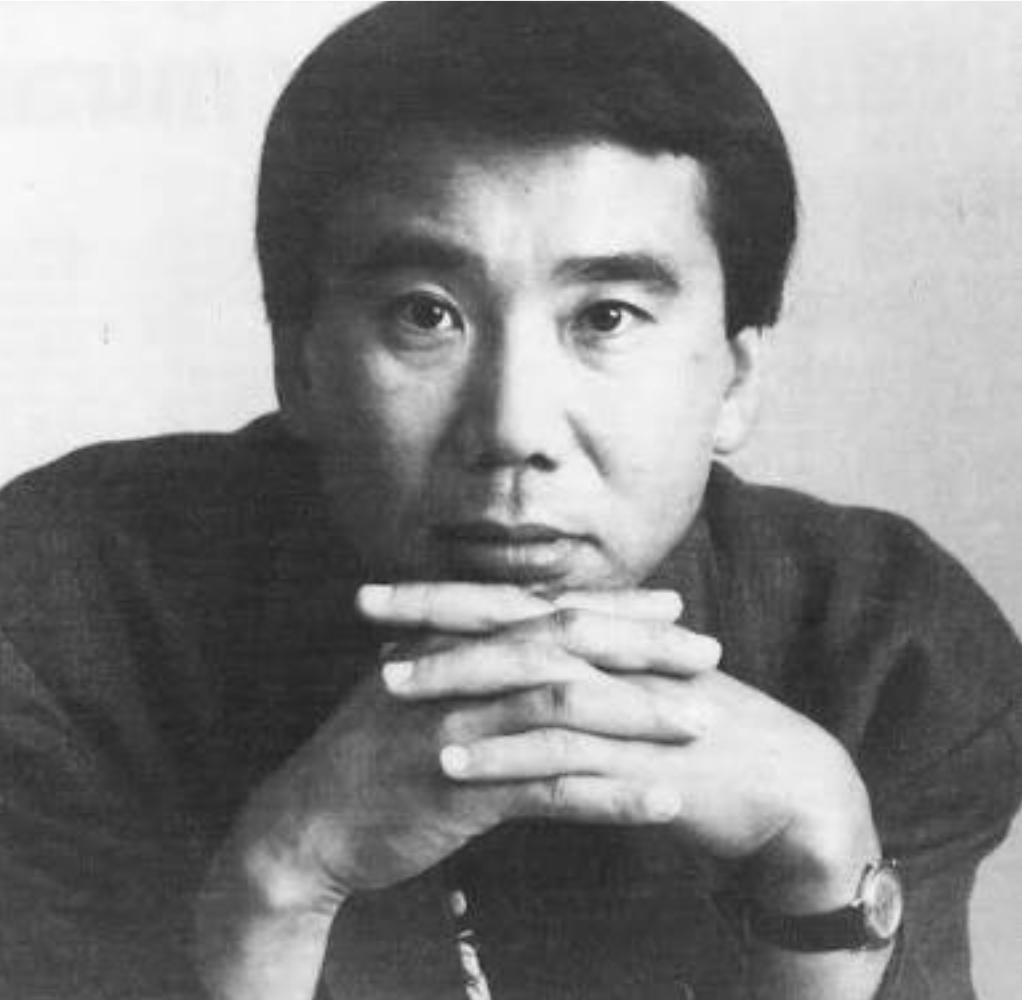
Takashi Murakami - Superflat Universe
Mar 16 – Jul 22 2018
Murakami’s candy-colored deities and kaiju sculptures form a pop-Buddhist utopia. The museum gift shop doubled as a shrine, complete with limited-edition incense and tote bags for enlightenment.
Curated by: Hana McDonnell
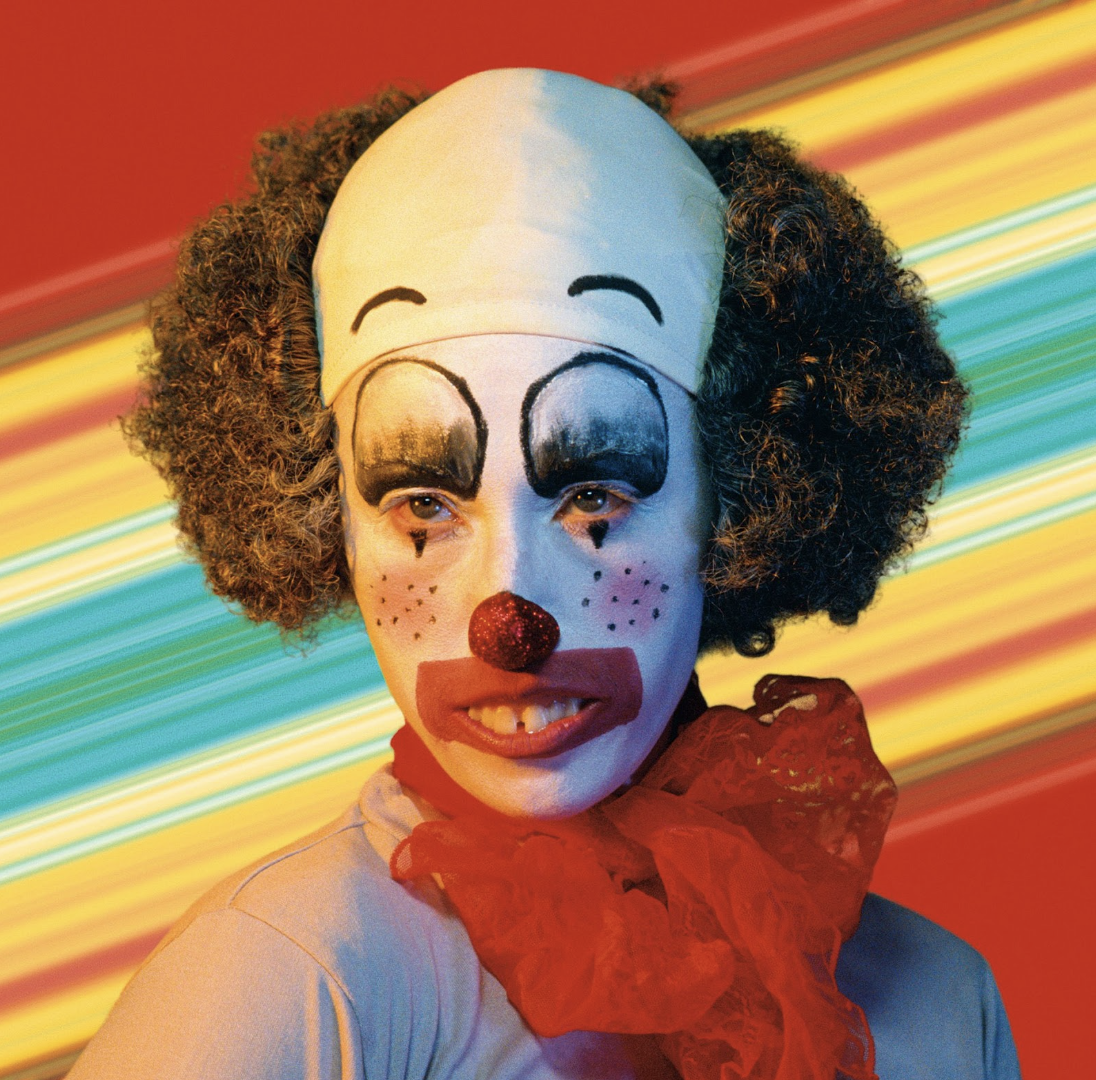
Cindy Sherman - Persona Machine
Oct 5 2018 – Feb 10 2019
Sherman’s photographic self-portraits evolve into AI-generated clones. The catalog essay warns, “Soon, even Cindy may not recognize Cindy.”
Curated by: Claire Dupont
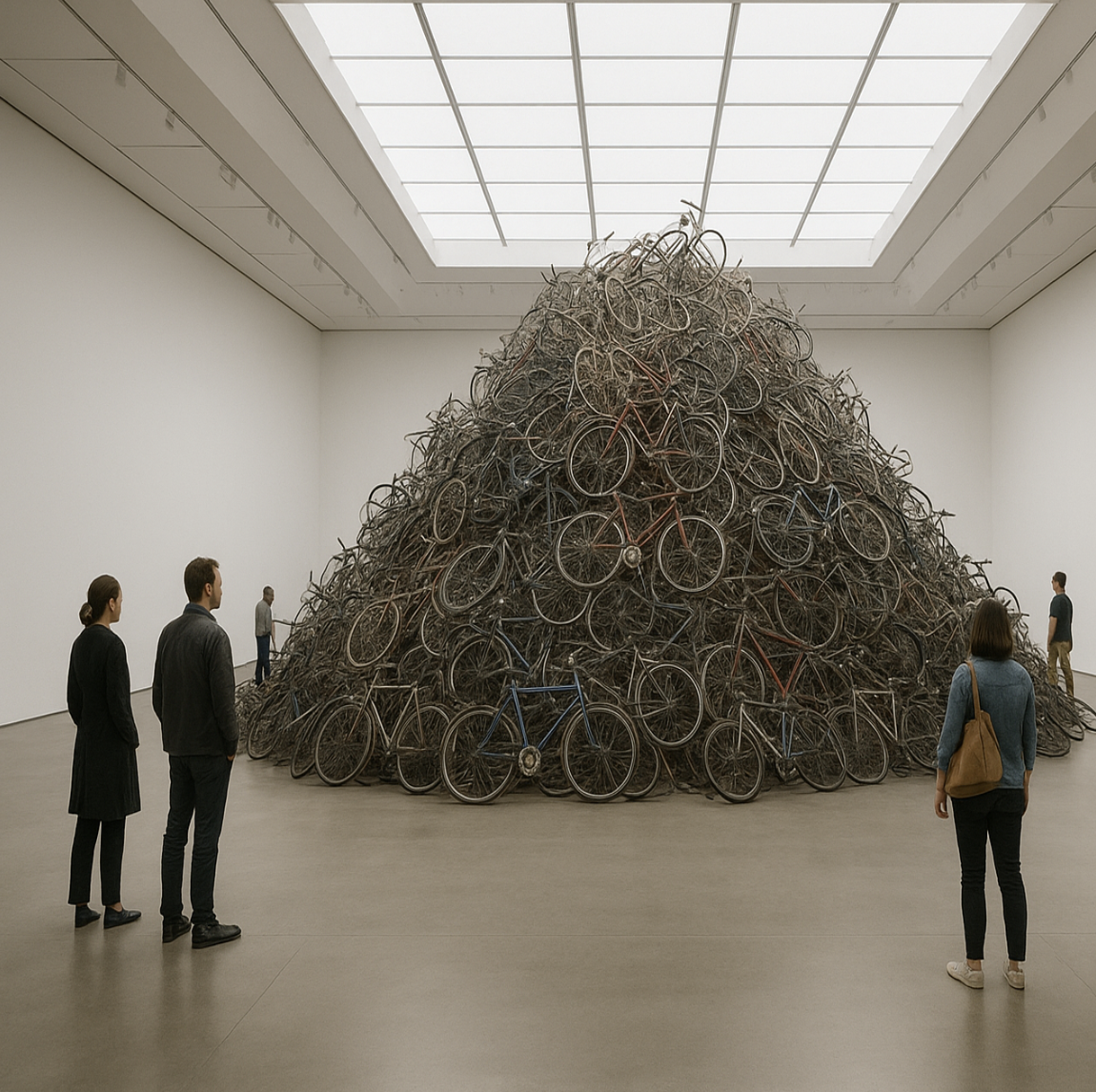
Ai Weiwei - Evidence / Freedom
May 3 – Sep 8 2019
Bicycle wheels, marble handcuffs, and data projections form a labyrinth of transparency. A live counter displays the number of times visitors post the exhibition hashtag, part protest, part participation.
Curated by: Daniel K. Flores
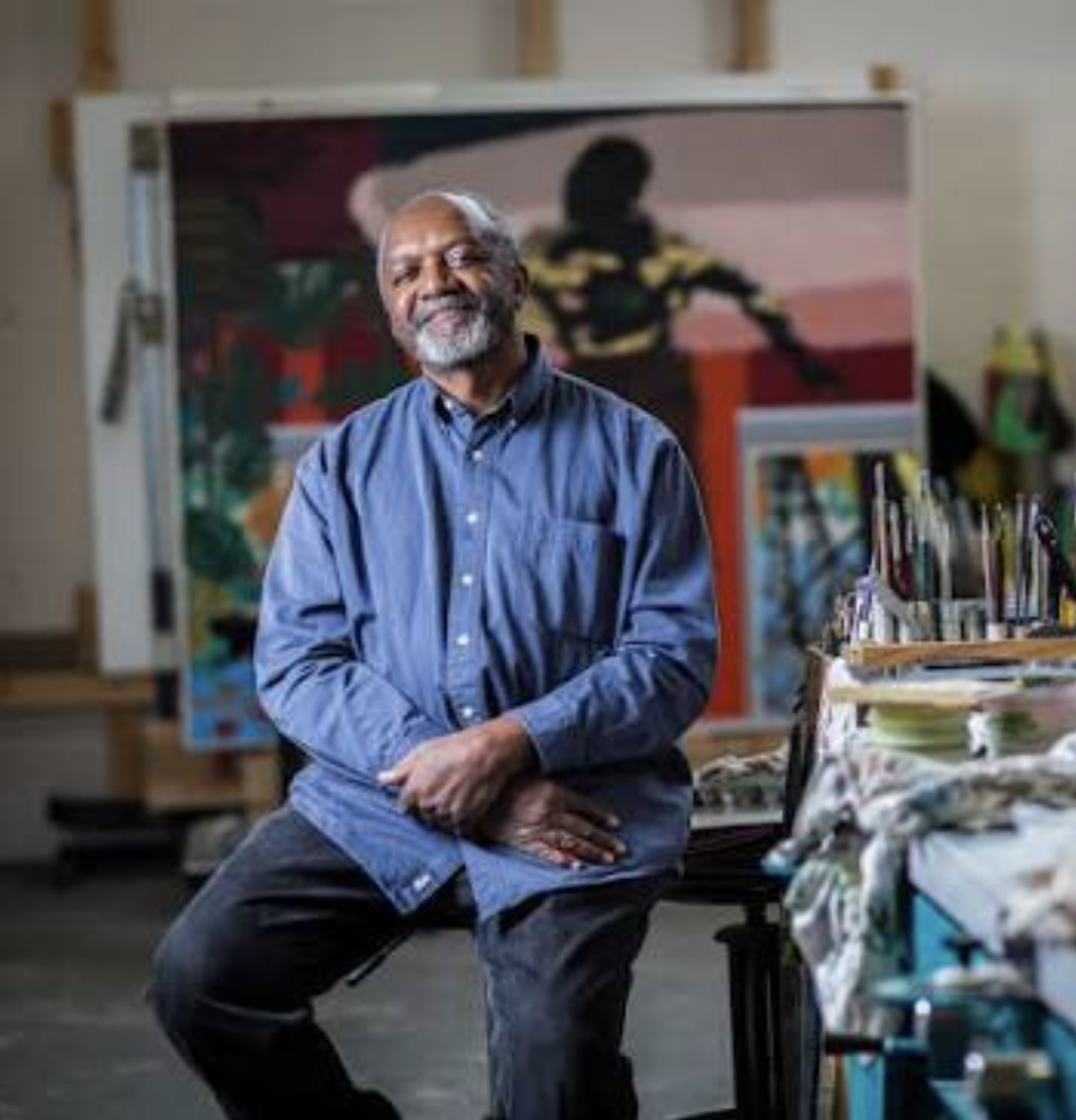
Kerry James Marshall - History of Seeing
Nov 1 2019 – Mar 15 2020
Marshall’s luminous portraits rewrite Western art history through the lens of everyday Black life. His monumental mural Light Study for a New Republic stretches across the museum’s atrium.
Curated by: Antoinette Graves
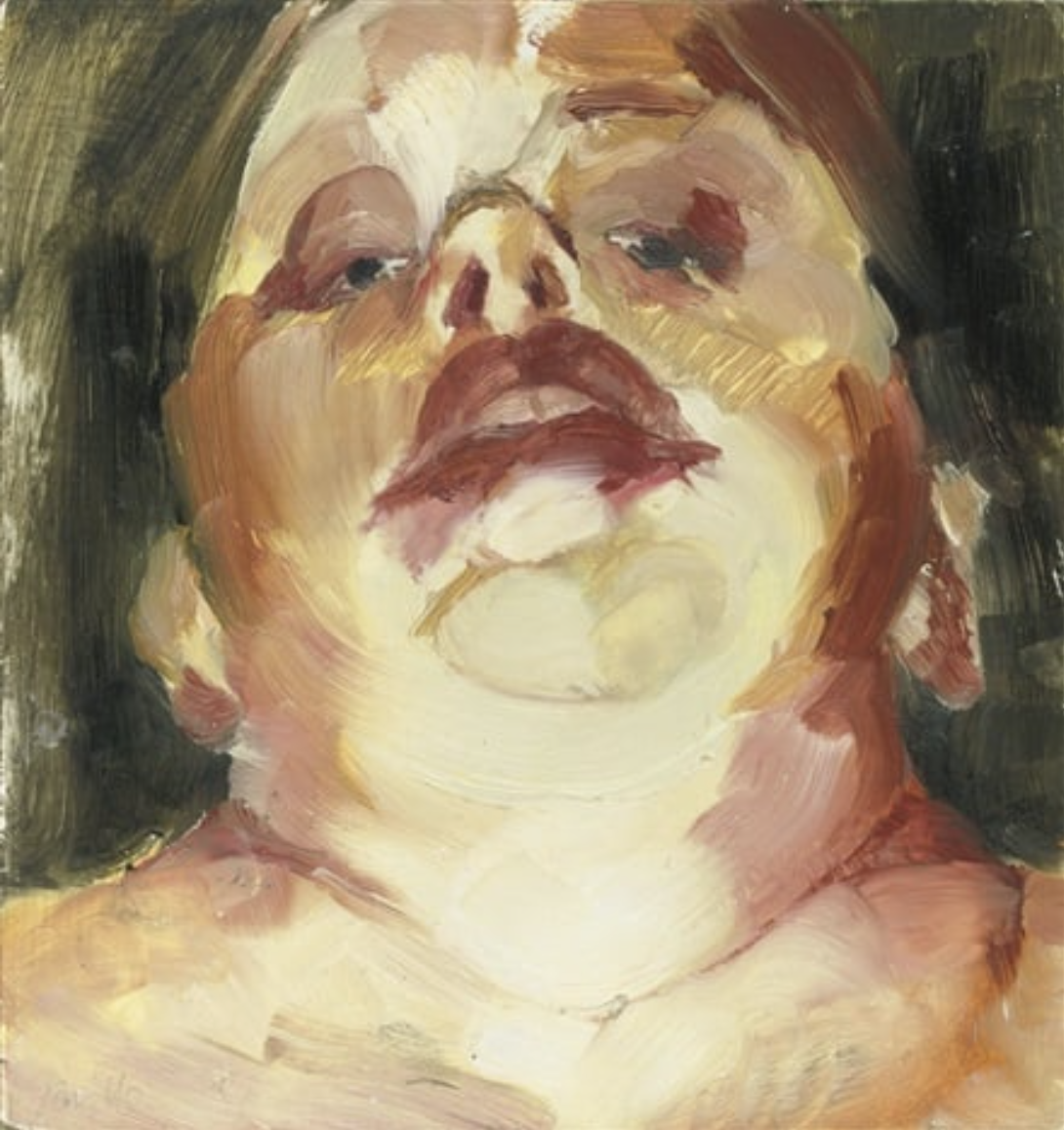
Jenny Saville - Flesh of Thought
Jul 3 – Nov 1 2020
Saville’s massive oil paintings expose beauty as violence and identity as process. Her palette knife becomes scalpel; the gallery becomes an autopsy of perception.
Curated by: Damian Rees
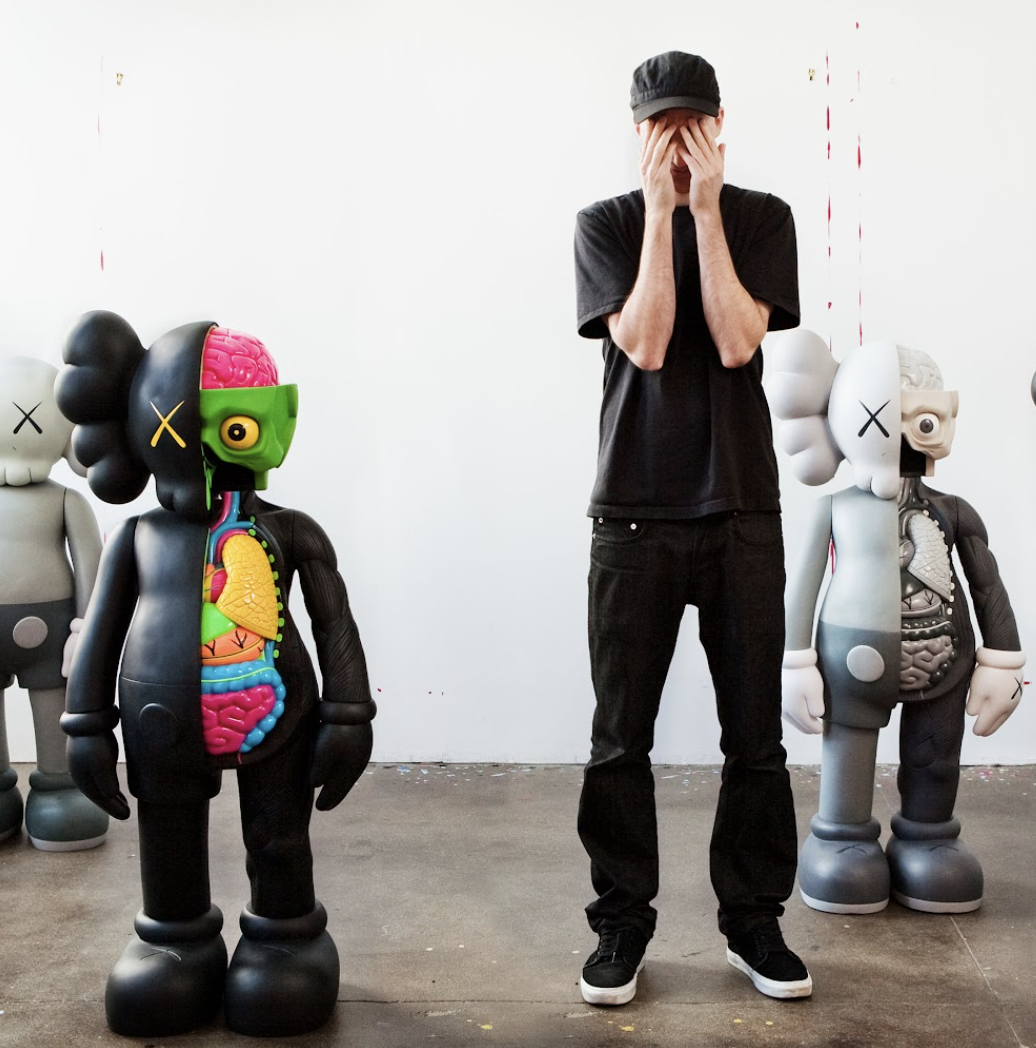
Kaws - Companion Species
Feb 20 – Jun 30 2021
Giant vinyl toys and digital avatars trace the melancholy of mass culture. The final sculpture, ALGO-Companion, auto-generates facial expressions based on trending moods on social media.
Curated by: Miranda Lee
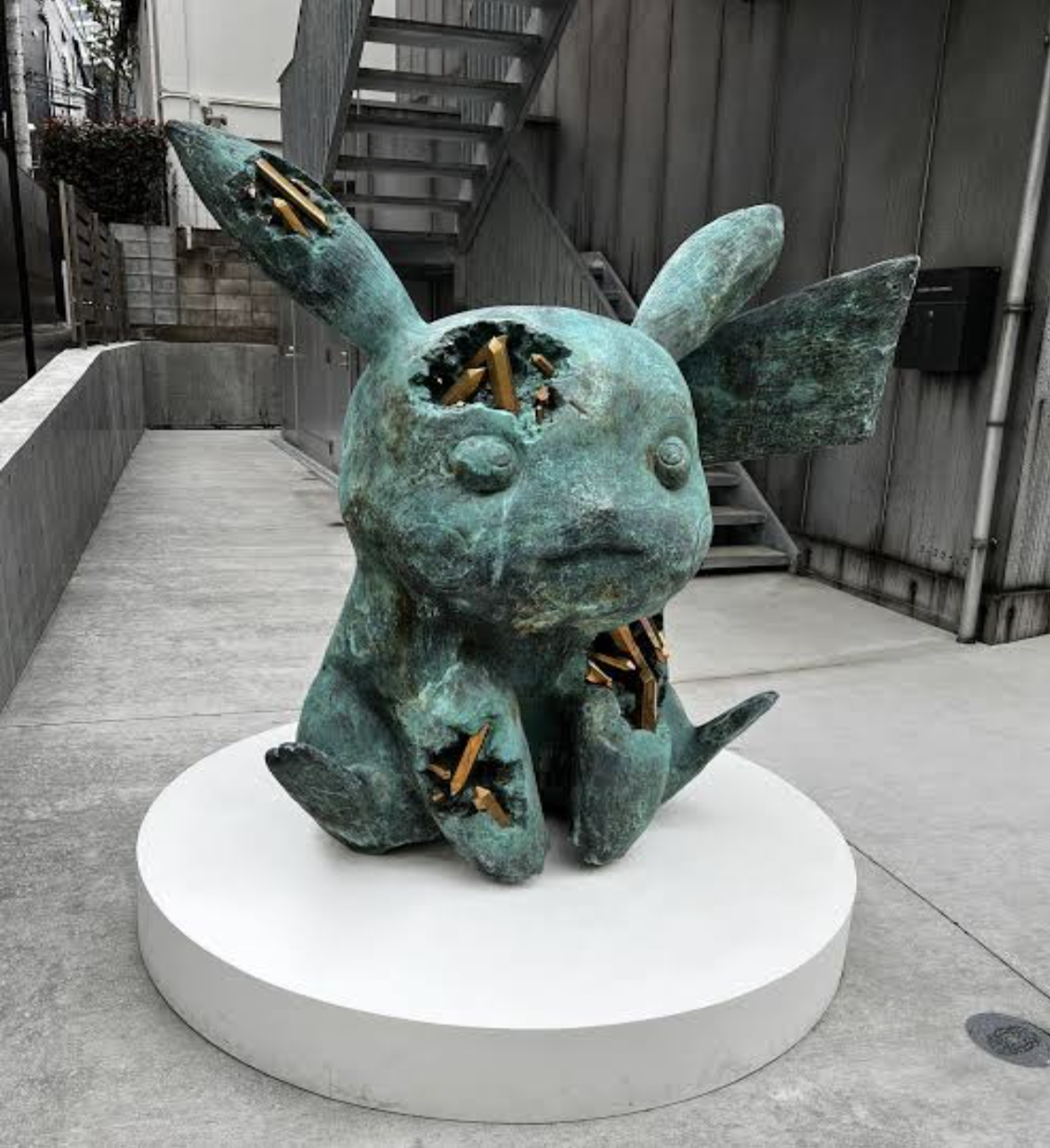
Daniel Arsham - Future Relics: Self-Erosion
Sep 17 2021 – Jan 9 2022
In this tongue-in-cheek archaeological dig of the present, Arsham presents crystallized sneakers, fossilized Game Boys, and an eroded Porsche 911. A nearby kiosk sells brand collaborations commemorating decay and memory, a perfect ouroboros of hype and sincerity.
Curated by: Tobias Schmitt
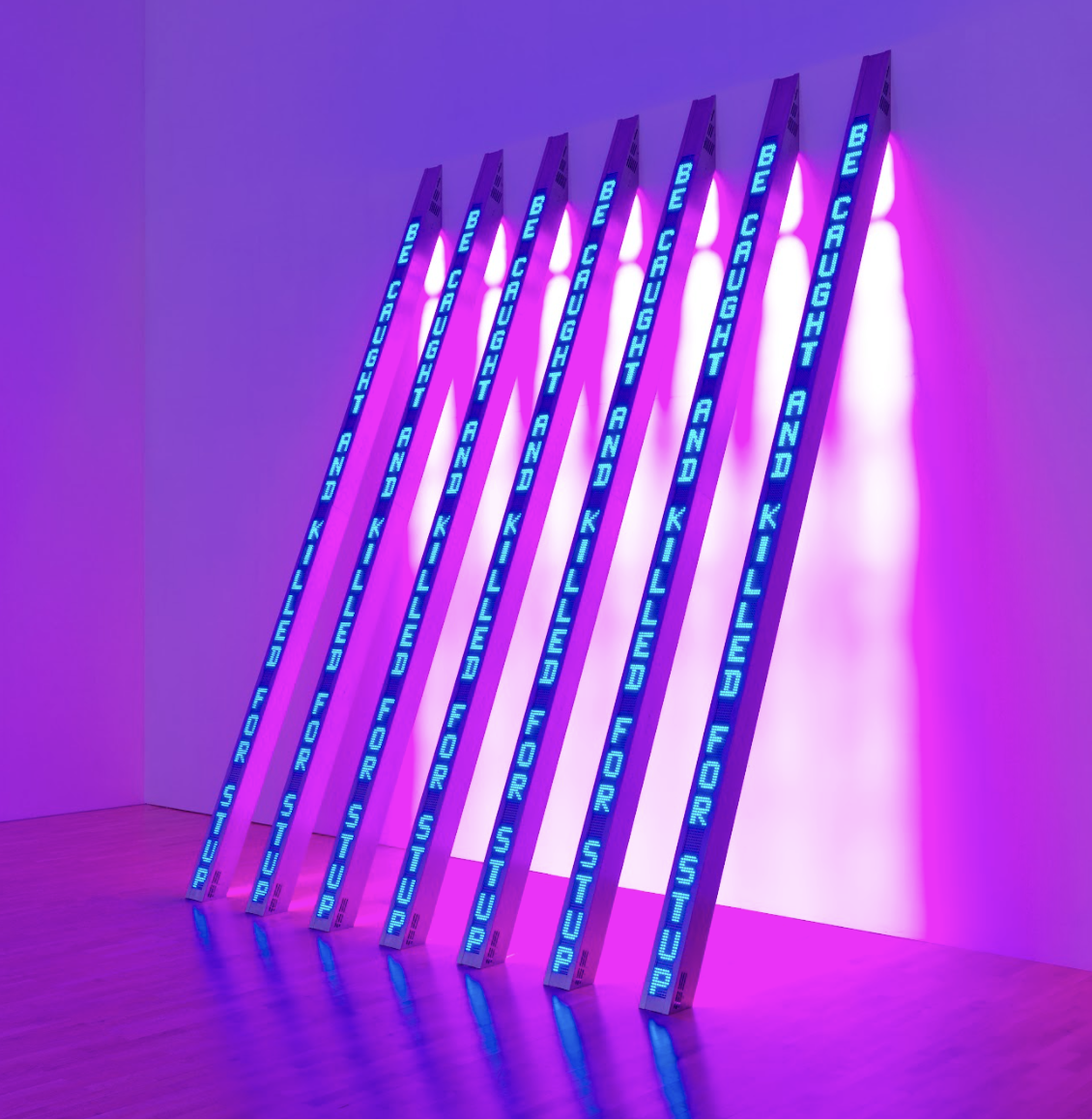
Jenny Holzer - For the Record
Mar 5 – Jul 10 2022
Holzer’s LED pillars broadcast declassified truths and disinformation in equal measure. At night, the museum façade glows with scrolling phrases like “TRUTH IS ANOTHER MEDIUM.”
Curated by: Erica Nguyen
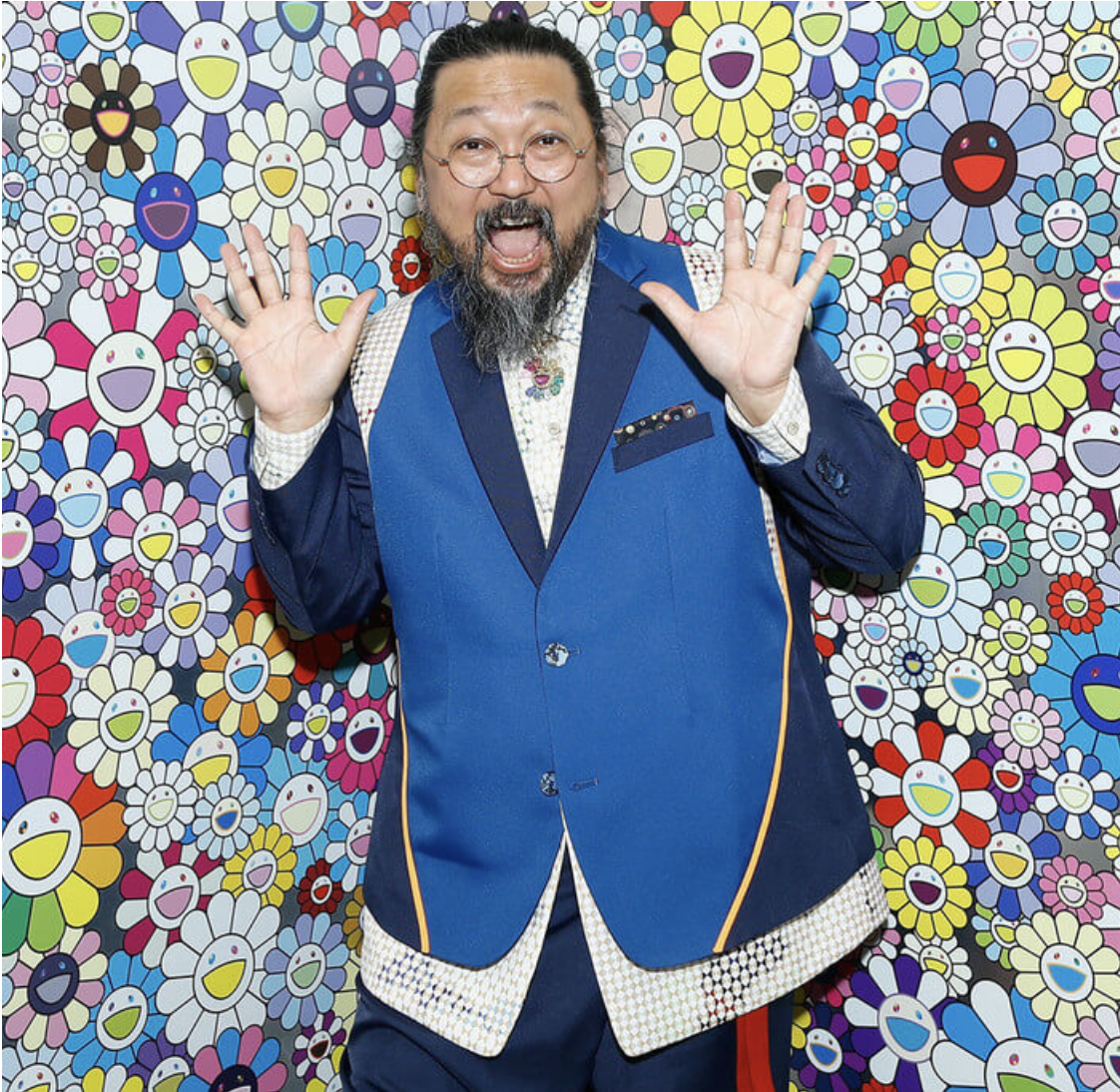
Takashi Murakami and Virgil Abloh - Future Relics
Sep 2 2022 – Jan 15 2023
Streetwear meets spirituality in this posthumous collaboration. The show loops an AR fashion runway of holographic avatars endlessly walking on a digital escalator surrounded by a field of Murakami’s signature yellow flower.
Curated by: Alex Chen

Adam Himebauch - Before and Back: The Photos and Videos That Made the Artist
Nov 3 – Dec 30 2023
An immersive and intimate retrospective tracing Himebauch’s transformation from pop-culture satirist Hanksy to conceptual performance artist. Early street videos, re-edited for the first time, are displayed beside new reflective pieces exploring authorship, identity, and irony in the age of digital mythology.
Curated by: Sofia Martens
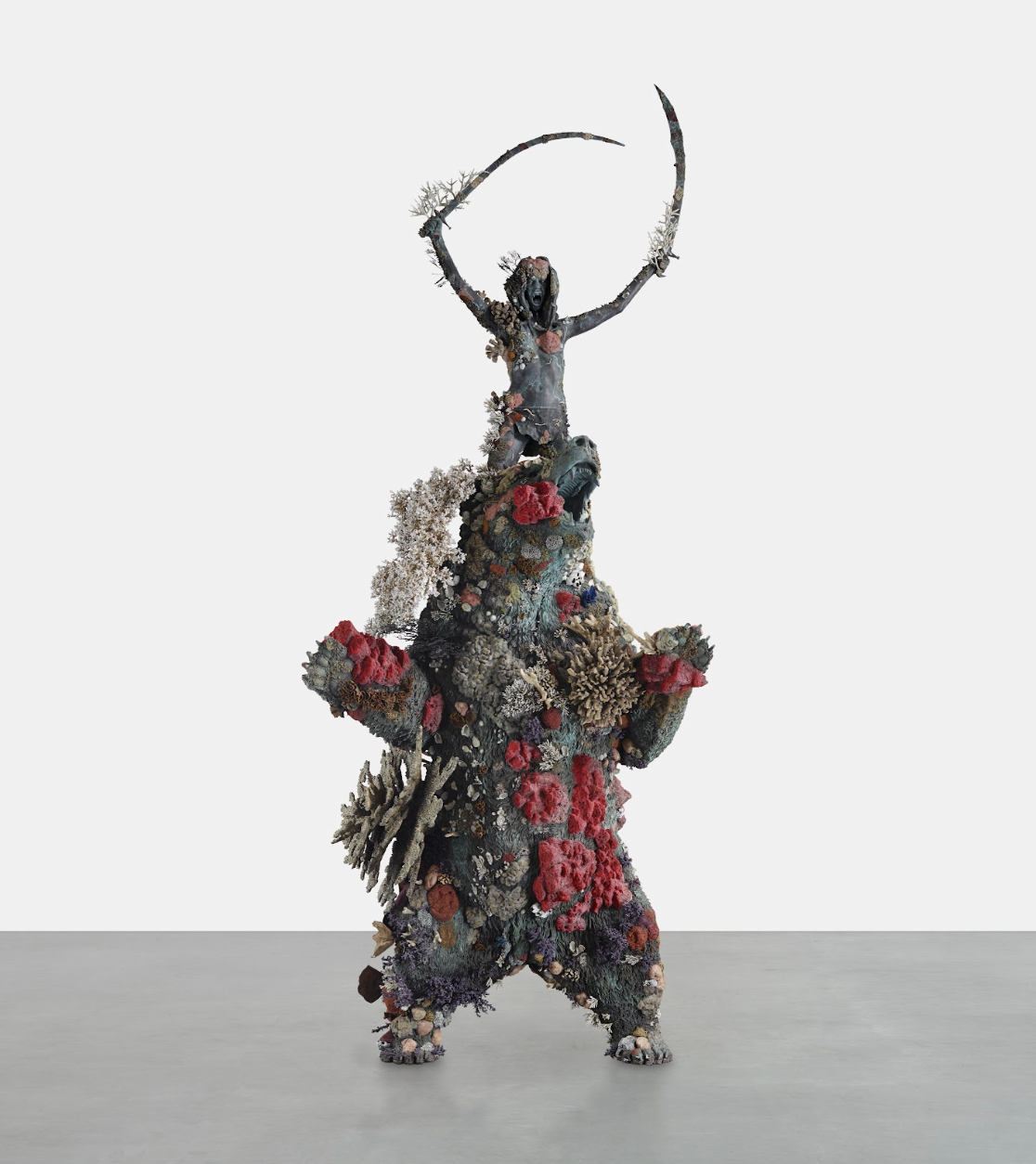
Damien Hirst - Treasures from the Wreck Reimagined
Mar 1 – Jul 20 2023
A re-envisioning of Hirst’s 2017 spectacle interrogates authenticity and faith. Coral-encrusted relics float in saltwater tanks, half museum and half Mediterranean fantasy.
Curated by: Rosalind Becker
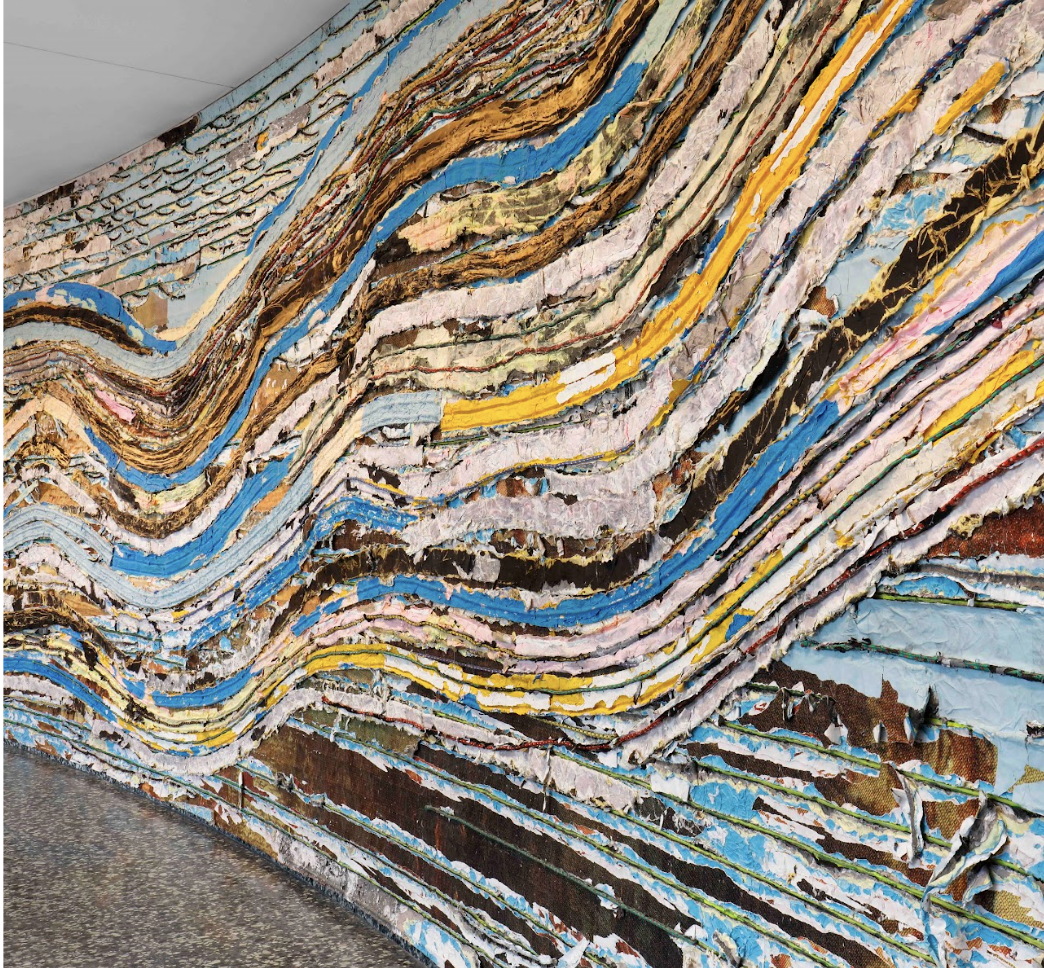
Mark Bradford - Map of Nowhere
Sep 9 2023 – Jan 7 2024
Bradford’s monumental paper abstractions transform city grids into psychic maps. Each surface becomes an archive of neighborhoods, inequities, and memory.
Curated by: Petra L. Whitcomb

Chris Burden - Test Site: Acts of Faith
Apr 12 – Aug 25 2024
A posthumous exhibition celebrating Burden’s audacity, bridging performance, engineering, and civic poetry. A working monorail powered by visitor pedaling runs above Urban Light, inviting the public to become the mechanism.
Curated by: Helen Carver
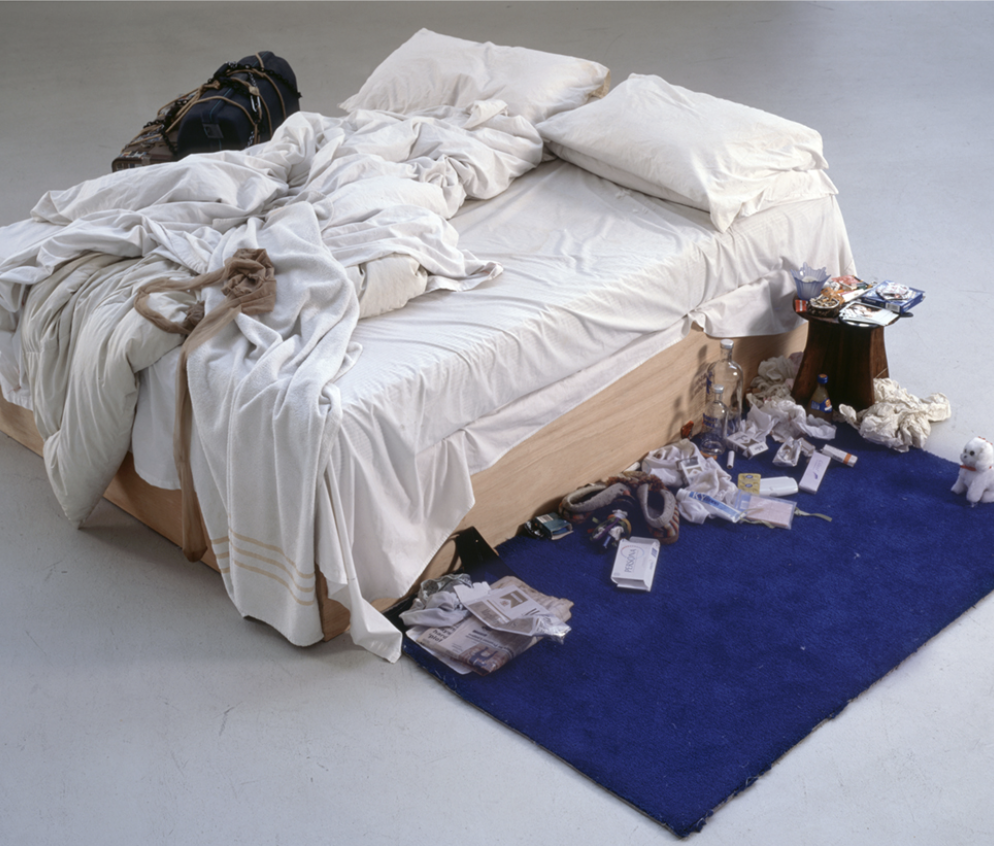
Tracey Emin - A Life Written in Neon
Oct 5 2024 – Feb 9 2025
Emin’s glowing confessions and stitched paintings form a raw chronicle of love, regret, and resilience. Visitors are invited to record anonymous letters to their younger selves, projected nightly onto the museum’s façade.
Curated by: Lauren Pritchard